










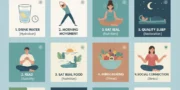





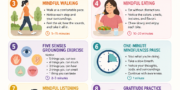
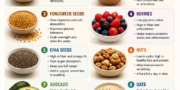























































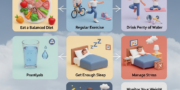





















































































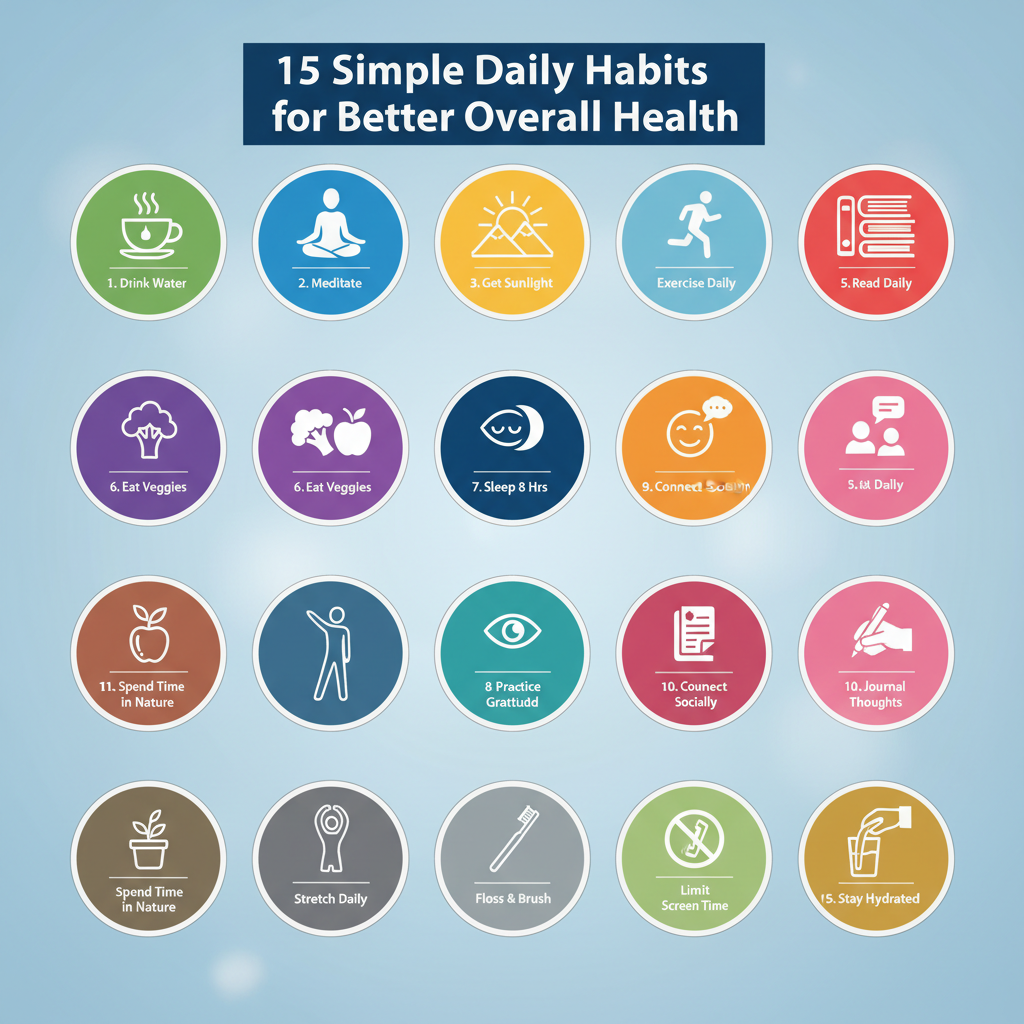
15 Simple Daily Habits for Better Overall Health
Author
RVLNSV PRASAD
Fact-Checked By
Wellness Research Team
Last Updated
August 2026
Author’s Note
RVLNSV PRASAD provides evidence-based wellness articles to assist readers in comprehending practical health information in plain language. All articles are created based on the advice of leading medical institutions, the latest scientific research, and real-world healthy lifestyle practices. The aim is to help readers create sustainable behaviors that support long-term well-being rather than short-term cures.
Introduction
Simple daily habits for better overall health often have a greater long-term impact than dramatic lifestyle changes that are difficult to maintain. Many individuals feel that getting healthier means expensive diets, hard workouts, or a complete overnight routine change. In fact, sustainable health is often the result of tiny, regular acts.
A few years ago, I decided to improve my lifestyle after realizing that I constantly felt drained by the afternoon despite sleeping enough hours. Instead of trying another strict diet or unrealistic workout plan, I made one small change every week. I started drinking more water, taking short walks after meals, preparing healthier breakfasts, and reducing late-night screen time.
None of those habits felt life-changing on the first day.
But after several months, something remarkable happened.
I felt more energetic.
My concentration improved.
Everyday tasks become easier.
Most important of all, those healthy habits became automatic, not something I had to make myself do.
That experience completely changed my perspective on wellness.
Medical experts continue to emphasize the impact of common lifestyle choices—such as eating healthily, being physically active on a regular basis, getting adequate sleep, managing stress, and avoiding tobacco use—in promoting long-term health and decreasing the likelihood of certain chronic diseases.
In this article, you’ll learn 15 simple daily habits for better overall health, why they matter, and practical strategies to make them part of your normal routine. (WHO – Healthy Diet CDC – About Chronic Diseases)
Quick Answer
Building improved health generally doesn’t involve big lifestyle changes. Over time, these habits—drinking enough water, eating healthy meals, keeping active, sleeping well, managing stress, and having consistent daily routines—may improve physical and mental well-being. Small habits practiced consistently are often easier to maintain than drastic changes. (CDC – Healthy Living)
Summary Table
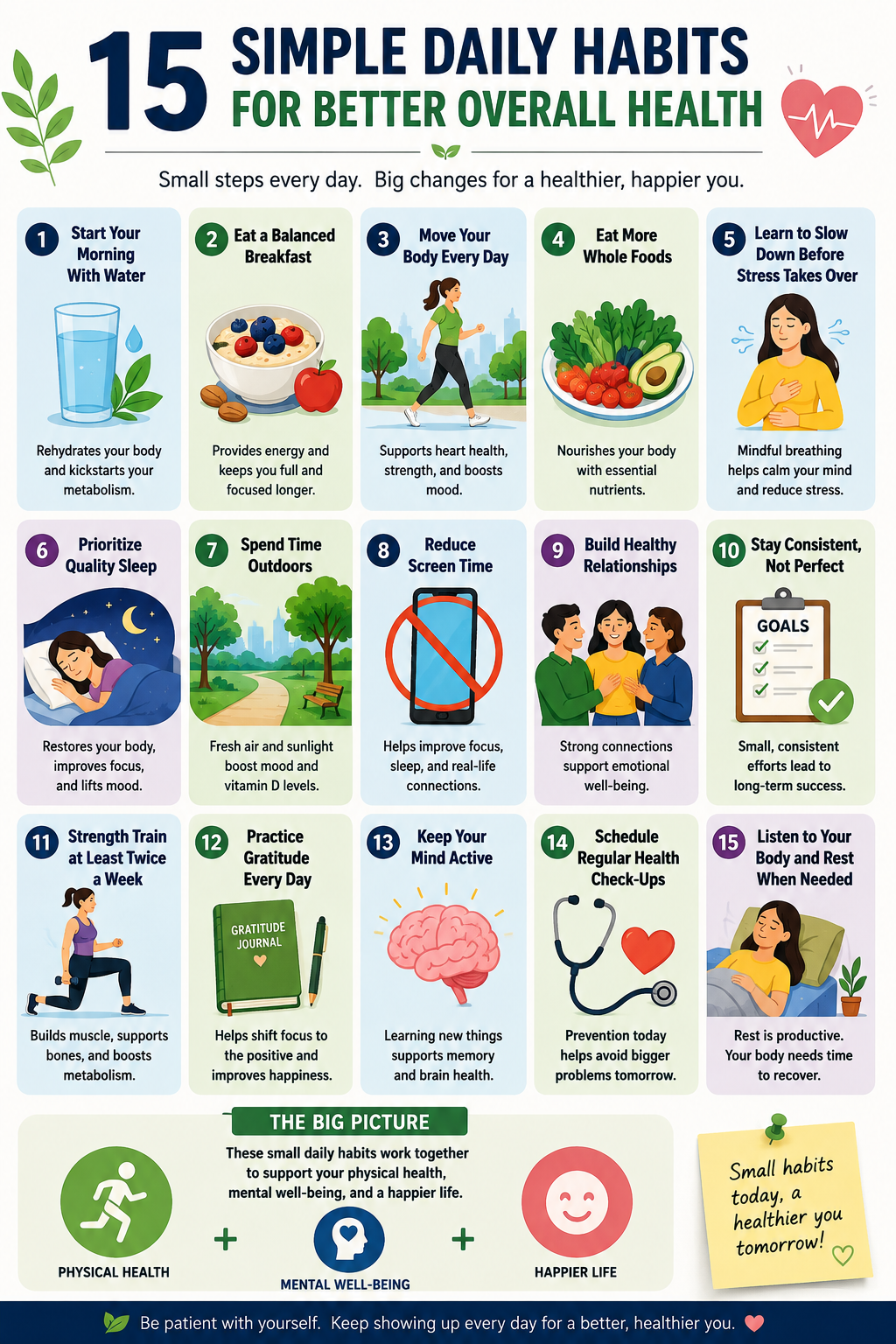
| Daily Habit | Potential Benefit |
|---|---|
| Drink more water. | Supports hydration |
| Eat a balanced breakfast | Steady energy |
| Move every day. | Supports heart and muscle health |
| Eat more whole foods | Better nutrition |
| Practice mindful breathing | Helps manage stress |
| Sleep well | Supports recovery |
| Spend time outdoors. | Supports mood |
| Reduce screen time. | Better focus |
| Build healthy relationships. | Emotional well-being |
| Stay consistent. | Long-term success |
Why Small Daily Habits Make a Big Difference
Many people think health improves through one big decision.
Research suggests something different.
Healthy habits are usually the result of repeatedly doing tiny things, not huge shifts. Healthy decisions that become part of your regular day take less work. They’re easier to keep up with. (NIH News in Health — Healthy Habits)
Imagine brushing your teeth.
You probably don’t debate whether to do it every morning. It has become automatic.
Healthy habits can work the same way.
Drinking water after waking up.
Preparing vegetables before dinner.
Going to bed at the same time every night.
Individually, each habit may seem modest, but combined, they form a healthier lifestyle over months and years.
One thing I did wrong was trying to fix everything at once. I changed my diet, exercise, sleep, and work habits all in the same week. Within days I was overwhelmed and threw down the towel.
Later, I focused on changing only one habit every seven days.
That simple approach worked much better.
1. Start Your Morning With Water
Your body loses water while you sleep. Something simple like drinking a glass of water after getting up can help you start your day hydrated.
Water cannot heal exhaustion or illness, but being hydrated helps with basic physiological functions, including circulation, digestion, and temperature regulation. (Mayo Clinic — Water: How much should you drink every day?)
Easy Ways to Build This Habit
- Keep a water bottle beside your bed.
- Drink water before checking your phone.
- Add a slice of lemon if you enjoy the flavor.
Beginner Tip
Link drinking water with another morning habit, such as brushing your teeth.
Common Mistake
Only drink water when thirsty.
2. Eat a Balanced Breakfast
Breakfast doesn’t need to be elaborate.
A simple meal of protein, whole grains, fruit, or healthy fats can provide lasting energy and make you feel full for longer.
Some example include:
- Oatmeal with nuts and berries
- Eggs with wholegrain toast
- Plain yogurt with fruit
- Vegetable omelette
- Smoothie with fruit and protein
Missing breakfast now and again isn’t a huge issue for some people, but replacing it with sugary snacks on a regular basis may leave you feeling exhausted later in the day. (Harvard T.H. Chan School of Public Health — Healthy Eating Plate)
Beginner Tip
Prepare breakfast ingredients the night before.
Common Mistake
Choosing foods that are high in added sugar but low in protein or fiber.
3. Move Your Body Every Day
Daily movement doesn’t always mean going to the gym.
Simple activities count.
- Walking the dog.
- Gardening.
- Stretching.
- Climbing stairs.
- Playing with your kids.
Together these activities contribute to a more active lifestyle.
One trick I learned was to set a timer to stand up and walk around for five minutes; every hour I was at my desk. These mini-movement breaks helped me shake off stiffness and be more focused during the day. (CDC — Physical Activity Basics)
Beginner Tip
Aim to move a little more than you did yesterday instead of chasing perfection.
Common Mistake
Believing exercise only matters if you spend an hour working out.
4. Fill Half Your Plate With Color
Don’t concentrate on what you have to take away from your diet; think about what you can bring in.
Colorful fruits and vegetables are naturally loaded with vitamins, minerals, fiber, and plant chemicals that support overall wellness.
Try to add:
- Broccoli
- Carrots
- Tomatoes
- Blueberries
- Oranges
- Spinach
- Cucumber
Eating a larger variety of colorful foods makes meals more fun to eat and increases nutritional absorption in a natural way.
Beginner Tip
Challenge yourself to include at least three different colors on your lunch or dinner plate.
Common Mistake
Thinking healthy eating has to be expensive. Frozen veggies and seasonal fruits are typically inexpensive and wholesome choices.
5. Learn to Slow Down Before Stress Takes Over
Modern life often keeps us busy from morning until night. But unfortunately, our minds don’t always get a chance to recover. Instead of waiting until you’re overwhelmed, create moments of quiet in your day.
Simple ideas are:
- Five slow breaths before starting work.
- Walk outside at lunchtime.
- Listen to calming music.
- Name three things you are thankful for.
- Two minutes of silent sitting without looking at your phone.
These brief breaks may seem small, but they can offer chances to reset your mind before tension builds up further
Beginner Tip
Schedule your relaxation time just like you schedule meetings or appointments.
Common Mistake
Thinking you need an hour of meditation before you’ll notice any benefit.
6. Prioritize Quality Sleep Every Night
Many individuals put a lot of emphasis on eating healthy and exercising but often forget one of the most critical cornerstones of total wellness—sleep.
During sleep, your body repairs tissues, supports immune function, regulates hormones, and consolidates memories. Regularly getting enough quality sleep may also help improve mood, concentration, and energy. Studies of the Centers for Disease Control and Prevention (CDC) and the National Heart, Lung, and Blood Institute (NHLBI) point out the importance of adequate sleep to overall health.
I used to think that if I drank more coffee the next day, five or six hours of sleep was enough. I prioritized sleep and discovered I had more energy during the day and was able to remain active and make better diet choices. (NIH — Your Guide to Healthy Sleep)
Beginner’s Tip
Create a peaceful evening routine by dimming the lights, limiting screens for 30 to 60 minutes before sleep, and going to bed at the same time each night.
Common Mistake
Trying to “catch up” on sleep only on the weekends, instead of maintaining a regular schedule.
7. Spend Time Outdoors Every Day
Nature has a remarkable way of slowing us down.
A short stroll in a local park, some garden work, or just sitting outdoors for a few minutes can help you feel refreshed mentally.
Fresh air, sunlight, and natural settings also promote exercise and may help people feel better emotionally.
Simple strategies to spend more time outside include:
- Take a walk after lunch.
- Reading in the garden
- Visiting a local park
- Gardening
- Playing outdoor games with your family
Beginner Tip
Start with 10 to 15 minutes a day outside.
Common Mistake
You think outdoor hobbies are just long walks and pricey equipment.
8. Reduce Screen Time and Be More Present
Phones, computers, televisions, and tablets are used every day, but too much screen time can result in less physical activity, disrupted sleep, and difficulty being present.
I saw the effects myself when I started checking my phone first thing every morning. I was distracted before I even got out of bed.
One change, one habit, helped me.
Instead of grabbing for my phone, I spent the first few minutes of the morning drinking water and planning out my day. (American Academy of Pediatrics)
My mornings are now quieter and more productive.
Easy Ways to Reduce Your Screen Time:
- Turn off unnecessary notifications.
- Keep your phone away during meals.
- Set a daily screen-time reminder.
- Read a book before bed.
- Spend time speaking with family instead of scrolling.
Beginner Tip
Choose one screen-free hour each evening.
Common Mistake
Using endless scrolling on social media instead of socializing.
9. Build Strong Social Connections
Health is more than just nutrition and exercise.
Healthy living entails having good relationships, too.
Being around supportive friends and family can be encouraging during stressful times and can improve mental health.
Healthy relationships can look like:
- Talking with a trusted friend
- Sharing meals together
- Helping others
- Participating in community activities
- Spending quality time with family
One thing I’ve noticed is that good discussions leave me feeling more rejuvenated than another hour on my phone.
Beginner Tip
Schedule one meaningful conversation every week.
Common Mistake
Waiting until life becomes stressful before reaching out to people you care about.
10. Focus on Progress, Not Perfection
People give up on healthy behaviors because they expect instant results.
Real health benefits are usually a slow process.
One missed workout, one poor meal, and one night out now and again don’t undo months of healthy choices.
The goal is consistency—not perfection.
One mistake I made years ago was to believe that one bad day meant I had failed completely.
Now I simply continue with my next healthy habit.
That mindset made staying consistent much easier.
Beginner Tip
Instead of asking,
“Did I do everything perfectly today?”
Ask,
“What is one healthy choice I can make next?”
Common Mistake
One healthy choice is to avoid giving up after one setback.
Foods to Eat vs. Foods to Limit
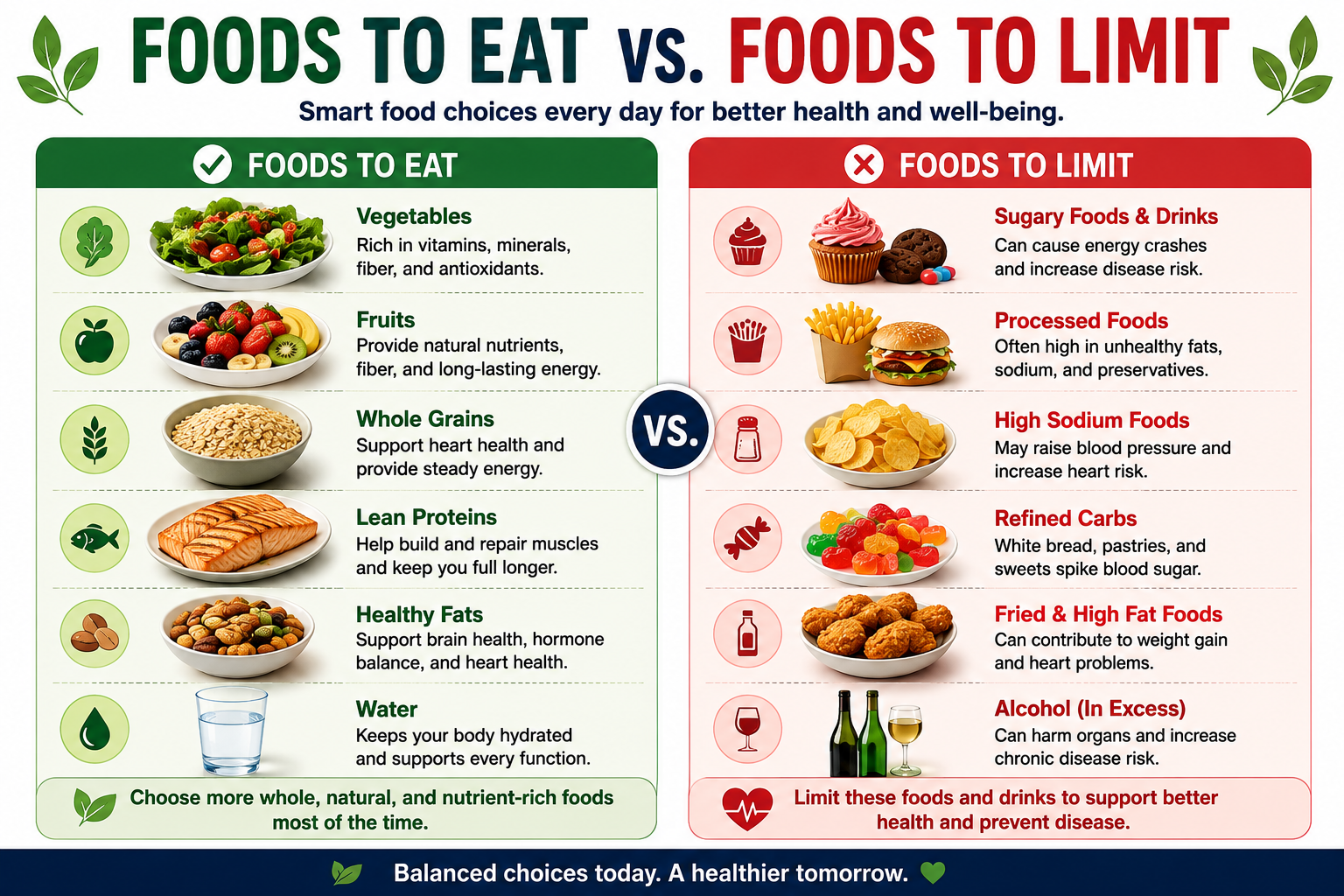
Healthy eating is not about strict rules or avoiding every favorite food. Instead, aim to eat nutrient-rich foods more often while limiting items that are highly processed or high in added sugar, sodium, or unhealthy fats.
| Foods to Eat More Often | Why They Support Health | Foods to Limit | Why to Limit Them |
|---|---|---|---|
| Colorful vegetables | Vitamins, minerals, fiber | Sugary drinks | Added sugar |
| Fresh fruits | Antioxidants and fiber | Highly processed snacks | Often high in sodium and unhealthy fats |
| Whole grains | Long-lasting energy | Refined grains | Lower in fiber |
| Beans and lentils | Plant protein and fiber | Processed meats | Often high in sodium |
| Lean protein | Muscle maintenance | Fried foods | High in unhealthy fats |
| Nuts and seeds | Healthy fats | Excess sweets | High in added sugar |
| Plain yogurt | Protein and calcium | Fast food | Often high in calories and sodium |
| Water | Hydration | Excess alcohol | May affect overall health |
Remember, no single food determines your health. A balanced eating pattern practiced consistently is much more important than trying to eat perfectly every day. (WHO Healthy Diet Harvard Nutrition Source)
The Science Behind Healthy Habits
Research suggests that you form habits by repeating actions.
Each time you repeat an action in the same situation, your brain slowly requires less effort to perform that behavior.
For example:
- Drinking water after waking up
- Walking after lunch.
- Reading before bed.
- Stretching after work.
Eventually these actions become automatic.
One reason experts typically recommend making small, manageable changes is that it is easier to manage them than to try to alter everything all at the same time.
One good habit generally leads to another.
You may eat healthier if you drink more water.
A better night’s sleep may make exercising simpler.
Regular physical activity can boost mood and relieve stress.
All these good practices combined can help improve your overall health.
Research and Expert Opinion
Major health organizations have long emphasized the significance of lifestyle choices in promoting health over the long term.
Research shows that the more healthy habits you follow at once, the better your health will be than if you focus on just one habit.
Examples:
- Eating a balanced diet.
- Staying physically active.
- Sleeping 7–9 hours.
- Managing stress.
- Avoiding tobacco.
- Limiting alcohol.
- Maintaining a healthy weight.
- Creating supportive social relationships.
These behaviors won’t produce rapid improvements, but persistently doing them can lead to a higher quality of life and a lower risk of many chronic health disorders over time.
One of the most important lessons I’ve learned from my work in wellness is that sustainable health is usually established through balance.
Instead, it grows from small decisions made day after day. (CDC Healthy Living, WHO Healthy Lifestyle)
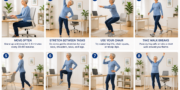
11. Strength Train at Least Twice a Week
When most people think of exercise, they think of walking or running. But strength training is also a vital part of a healthy lifestyle.
Building muscle helps with carrying groceries, climbing stairs, and maintaining proper posture when you are doing your day-to-day activities. It also supports strong bones and healthy aging.
You don’t need a gym membership to get started.
Simple beginner exercises include:
- Bodyweight squats
- Wall push-ups
- Chair squats
- Resistance band exercises
- Light dumbbell workouts
I used to believe strength training was only for athletes. When I started doing two short sessions a week, I found that everyday things were simpler and I felt stronger without having to perform hours of exercise. (CDC — Benefits of Physical Activity)
Beginner Tip
Start with 15–20 minutes twice each week.
Common Mistake
Trying advanced workouts before learning proper form.
12. Practice Gratitude Every Day
Good health involves physical health and mental well-being.
Practicing gratitude isn’t about dismissing life’s struggles. But instead it pushes you to notice positive events along with negative ones.
Simple behaviors of thankfulness include:
- Writing down three things you’re grateful for.
- Thanking someone who has helped you.
- Reflecting on one positive moment before bed.
- Keeping a small gratitude journal.
Over time, this simple habit may help you develop a more balanced outlook on everyday life.
Beginner Tip
Keep your gratitude journal beside your bed.
Common Mistake
Thinking gratitude requires major life events. Even small moments matter.
13. Continue Learning New Things
Another key element of your overall fitness is keeping your mind occupied.
Learning stimulates curiosity and challenges your brain in constructive ways.
Ideas include:
- Reading books
- Trying a new recipe
- Taking an online course
- Learning a new language
- Playing a musical instrument
One practice I adopted was reading for only fifteen minutes before sleeping, instead of scrolling through social media. Over time, I found it helped me relax while continuing to learn something new every day.
Beginner Tip
Dedicate 10–15 minutes each day to learning.
Common Mistake
Don’t think that learning stops after school or college.
14. Schedule Regular Health Checkups
Many health problems develop slowly, without any visible signs.
Regular health check-ups can help uncover any difficulties early on and give you the opportunity to discuss your lifestyle habits with your health care provider. (CDC Preventive Care)
Your health care expert might suggest screening, depending on your age and health history:
- Blood pressure.
- Blood sugar
- Cholesterol
- Weight
- Vision
- Dental health
- Vaccinations to consider
Preventive care is one of the easiest strategies to encourage long-term health.
Beginner Tip
Set a calendar reminder for yearly health checkups.
Common Mistake
Waiting until you are sick to see a healthcare provider.
15. Make Healthy Habits Part of Your Lifestyle
The best healthy habits are the ones that you can stick to for years, not a couple of weeks.
Rather than asking, “How do I get healthier overnight?”
Try asking, “What is a good habit that I can do every day?”
That little change in mindset can often make healthy living feel more attainable.
Looking back, the biggest lesson I learned was not about finding the perfect diet or workout plan.
It was the realization that consistency beats intensity.
Some days will go exactly as planned.
Other days won’t.
The important thing is returning to your healthy routine without feeling discouraged.
Beginner Tip
Improve one habit at a time instead of trying to change everything together.
Common Mistake
Expecting motivation to stay high every day.
Healthy Daily Routine
Healthy living doesn’t have to be complicated. A simple routine can make healthy choices easier to maintain.
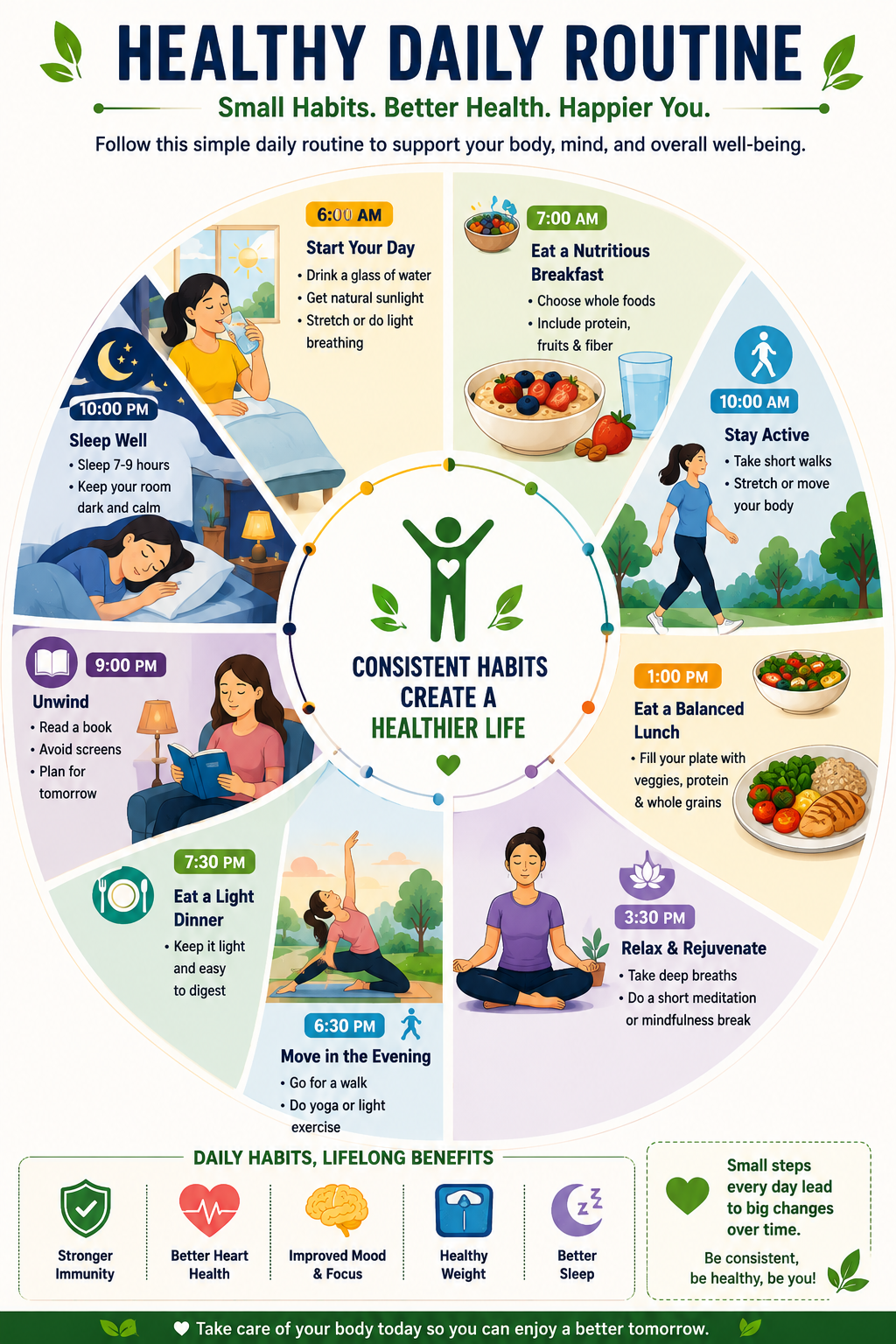
| Time | Healthy Habit | Purpose |
|---|---|---|
| Morning | Drink a glass of water. | Start the day hydrated. |
| Morning | Eat a balanced breakfast. | Support steady energy. |
| Morning | Stretch or walk. | Wake up your body. |
| Afternoon | Eat a balanced lunch. | Maintain energy levels |
| Afternoon | Take a short walk. | Break up long periods of sitting. |
| Evening | Eat a nutritious dinner. | Support recovery. |
| Evening | Limit screen time. | Prepare for restful sleep. |
| Night | Sleep 7–9 hours. | Support physical and mental recovery. |
Healthy Habits Checklist
Use this checklist to monitor your progress.
- Drink enough water
- Eat fruits and vegetables
- Choose mostly whole foods
- Move your body
- Practiced strength exercises
- Managed stress
- Spent time outdoors
- Reduced unnecessary screen time
- Connected with family or friends
- Practiced gratitude
- Learned something new
- Slept 7–9 hours
Remember, completing every item every day isn’t necessary. The goal is gradual improvement over time.
Common Mistakes That Slow Progress
Many people unknowingly make healthy living more difficult.
Common mistakes include:
- Trying to change too many habits at once.
- Following restrictive diets that are difficult to maintain.
- Skipping meals regularly.
- Sleeping too little.
- Sitting for long periods without movement.
- Comparing your progress with others.
- Expecting quick results.
- Giving up after one unhealthy day.
This one misstep doesn’t erase weeks of healthy choices.
Simply return to your routine at your next opportunity.
Signs Your Healthy Routine Is Working
Healthy changes often happen gradually rather than all at once.
You may start to see:
- More consistent energy all day long.
- More focus.
- Better quality of sleep.
- Feeling less stressed.
- Healthier eating habits are becoming automatic.
- More confidence in your day.
- Greater enjoyment of physical activities.
- Feeling better overall.
Each of these changes may seem small on its own, but together they can lead to significant improvement.
When Should You Seek Professional Advice
Healthy behaviors are a part of total wellness but not a substitute for expert medical treatment.
If you have: See your health care provider.
- Always be tired for no apparent reason.
- Unexplained changes in weight.
- Have persistent pain or discomfort.
- You may feel very worried or very depressed for several weeks.
- Have concerns about nutrition or exercise.
- Live with a chronic medical condition and want guidance before making major lifestyle changes.
Good health still requires regular health checkups, preventive screening, and individualized counseling.
Key Takeaways
- The path to better health is not big change, but tiny daily change.
- Regular healthful activities make them easier.
- Good nutrition, regular physical activity, appropriate sleep, stress management, and social contact all contribute to overall wellness.
- Progress over perfection.
- Make sustainable lifestyle changes, one healthy habit at a time
- Combining healthful practices with frequent health care results in the best long-term advantages.
Conclusion
Creating a healthier life doesn’t mean you have to be flawless or make significant changes to your lifestyle. Simple daily habits for better overall health are generally easy to adopt regularly and form the basis of sustainable wellness.
Common suggestions include drinking enough water, eating good food, exercising, getting enough sleep, managing stress, minimizing screen time, and building supportive connections. But if these habits are part of your daily routine, they can have a big effect over time. (WHO Healthy Diet CDC Healthy Living)
One thing I’ve learned is that healthy living isn’t about being flawless for the day. There will always be busy schedules, unforeseen setbacks, holidays, and difficult situations. Most importantly, get back to your healthy routine without guilt and continue to make tiny positive choices.
Each good habit is an investment rather than a quick fix. You may not see a radical change in your health after one nutritious meal or a morning stroll, but over months and years, hundreds of such modest decisions can add up to make a difference in supporting your physical, mental, and emotional health.
Rather than asking yourself, “How can I change everything today?” consider, “What is one healthy habit that I can consistently practice beginning today?”
That single modest move can be the first step toward a healthier, more balanced life.
Frequently Asked Questions
1. What are the most important daily behaviors to improve your health?
The ideal daily routines include drinking plenty of water. Eating nutritious food and exercising Sleeping 7-9 hours Reduced stress time spent outside Building positive relationships. The goal is to constantly follow these behaviors, not create a perfect routine.
2. How long does it take to create a good habit?
It is contingent upon the person. Some behaviors will start to feel natural in a few weeks; some will take longer. Pick one tiny habit at a time and repeat it consistently, and you’ll do better in the long run, often.
3. Do little practices actually promote overall health?
Yes. Research has shown that continuously making simple lifestyle adjustments may help improve physical and emotional well-being. A healthy diet, frequent movement, quality sleep, and stress management generally combine to provide lasting benefits over time.
4. What foods should I eat to be healthier?
A balanced eating pattern should contain many vegetables and fruits, whole grains, legumes, lean protein, nuts, seeds, and healthy fats. Also, drinking enough water and reducing overly processed foods, sugary drinks, and excess sodium can also contribute to general wellness.
5. Is walking beneficial exercise every day?
Walking is a great way to keep active, and it’s good for your heart, mood, and general fitness. For complete fitness: Most health groups recommend including strength training and flexibility activities during the week, too.
6. What is a simple healthy habit for beginners?
Begin with the habit that’s easiest to stick with. Many individuals begin with drinking more water, taking a short walk each day, eating a better breakfast, or working on their bedtime routine. One habit might create confidence that makes it simpler to add another.
7. What’s the secret for keeping yourself motivated to live better?
Make healthy decisions easier by creating habits, rather than relying on motivation. When life becomes busy, prep meals, schedule exercise, have healthy snacks on hand, and measure your progress to help you remain on track.
8. When do I need medical advice?
While healthy lifestyle habits might help overall wellness, they cannot substitute for professional medical care. If you have a medical condition, require personalized advice regarding food, exercise, or preventative health, or are experiencing ongoing symptoms, please consult a healthcare expert.
Medical Disclaimer
This material is for educational purposes only and is not intended to be used in place of professional medical advice, diagnosis, or treatment. Healthy living behaviors may promote general well-being but are not meant to diagnose, treat, cure, or prevent any disease. Always check with your doctor before making any major changes to your food, exercise, or health routine, especially if you are on prescription medication or have an existing medical condition.
Featured Snippet
Some basic everyday activities that help us be generally healthier include drinking lots of water, eating a well-rounded diet, staying active, getting enough quality sleep, managing stress, spending time outside, and seeing friends and family. Doing these tasks on a daily basis can build up to improved physical and mental health over the long term.
Sources and References
- WHO – Healthy Diet
https://www.who.int/news-room/fact-sheets/detail/healthy-diet - CDC – Physical Activity Basics
https://www.cdc.gov/physical-activity-basics/index.html - CDC – Benefits of Physical Activity
https://www.cdc.gov/physical-activity-basics/benefits/index.html - CDC – About Chronic Diseases
https://www.cdc.gov/chronic-disease/about/index.html - Mayo Clinic – Water: How Much Should You Drink Every Day?
https://www.mayoclinic.org/healthy-lifestyle/nutrition-and-healthy-eating/in-depth/water/art-20044256 - Harvard T.H. Chan School of Public Health – Healthy Eating Plate
https://www.hsph.harvard.edu/nutritionsource/healthy-eating-plate/ - NHLBI – Your Guide to Healthy Sleep
https://www.nhlbi.nih.gov/health/sleep - NIH News in Health – Creating Healthy Habits
https://newsinhealth.nih.gov/2018/03/creating-healthy-habits - American Academy of Pediatrics – HealthyChildren (Screen Time)
https://www.healthychildren.org
Related Posts
- Healthy Habits Category
- 14 Ways to Increase Protein Intake Daily Tips
- Home
- Fuel Your Body Right: 6 Best Ultimate Guide to Smart Nutrition
- Healthy Eating Meal Plan for Wellness
- 12 Best Ways to Work Life Balancing Health : The American Health Challenge









[…] 15 Simple Daily Habits for Better Overall Health […]
[…] 15 Simple Daily Habits for Better Overall Health […]
[…] 15 Simple Daily Habits for Better Overall Health […]
[…] 15 Simple Daily Habits for Better Overall Health […]